7 Ways to Prevent a Musty Air Conditioner Smell

Table of Contents
Why Your Air Conditioner Develops a Musty Smell
Change Your AC Filter Regularly (How Often in Florida)
Clean Your AC Condensate Drain Line
Schedule Professional Air Conditioner Coil Cleaning
Prevent Mold Growth in Your Air Conditioner
Maintain Proper Humidity Levels in Your Home
Install UV Light Technology to Eliminate Odors
When to Call a Professional HVAC Technician
Frequently Asked Questions
Last Updated: October 19, 2026
Why Your Air Conditioner Develops a Musty Smell
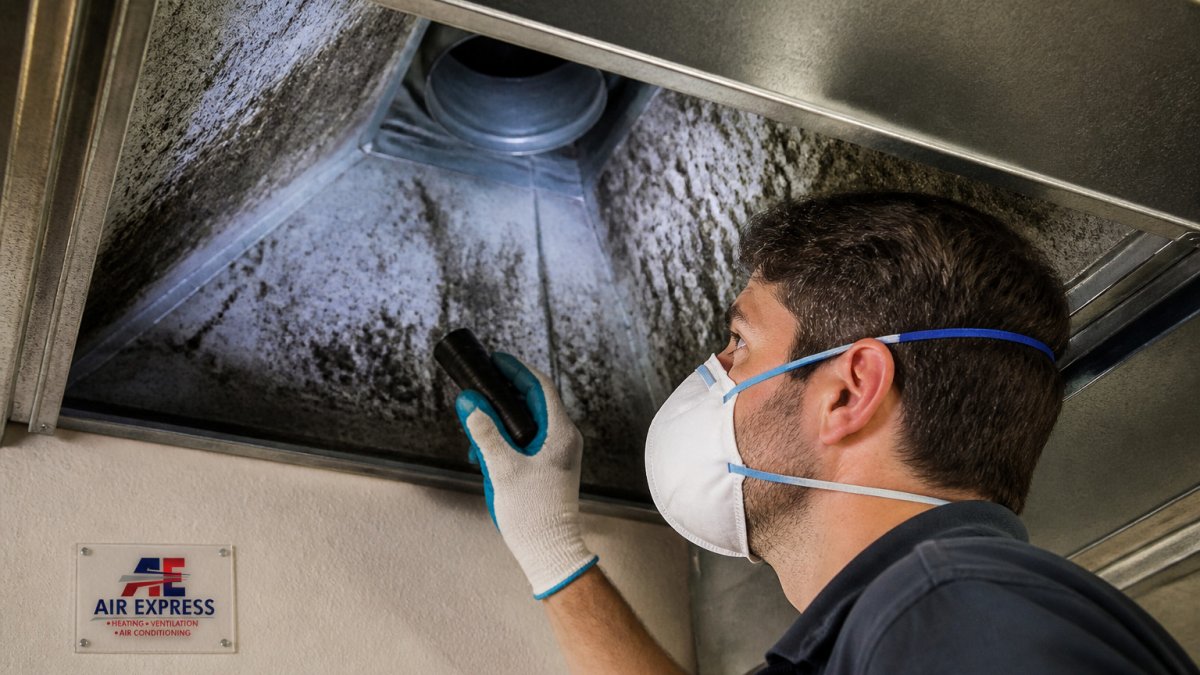
A musty air conditioner smell happens when moisture builds up inside your system. Mold and bacteria grow in these damp spaces. The result is that unpleasant odor spreading through your home every time the AC runs.
This problem is especially common in humid climates like Fort Myers. Your AC works hard to cool air, and that cooling process creates condensation. If the system isn't maintained properly, that moisture becomes a breeding ground for microorganisms.
The good news: most musty smells are preventable. The 7 ways to prevent a musty air conditioner smell we'll cover below address the root causes of odor.
Ignoring the smell won't make it go away. It gets worse over time. More importantly, mold in your AC system can affect your indoor air quality and your family's health.
Change Your AC Filter Regularly (How Often in Florida)
Your AC filter traps dust, pollen, and debris. A clogged filter restricts airflow and traps moisture. This creates the perfect environment for mold growth.
In Florida's humid climate, you should change your AC filter more often than the standard recommendation. Most manufacturers suggest every 1-3 months. In Fort Myers and surrounding areas, aim for every month during cooling season (May through September). If you have pets or allergies, change it even more frequently.
Here's why this matters: a clean filter lets air move freely through your system. Good airflow prevents moisture from sitting in the ducts and coils.
Steps to change your filter:
Turn off your AC system
Locate the filter (usually in a return air vent or the furnace cabinet)
Note the filter size printed on the frame
Slide out the old filter
Insert the new filter with the arrow pointing toward the furnace
Turn the system back on
A simple monthly check takes two minutes. Mark it on your calendar or set a phone reminder. This single step prevents many AC problems, including musty smells.
Clean Your AC Condensate Drain Line
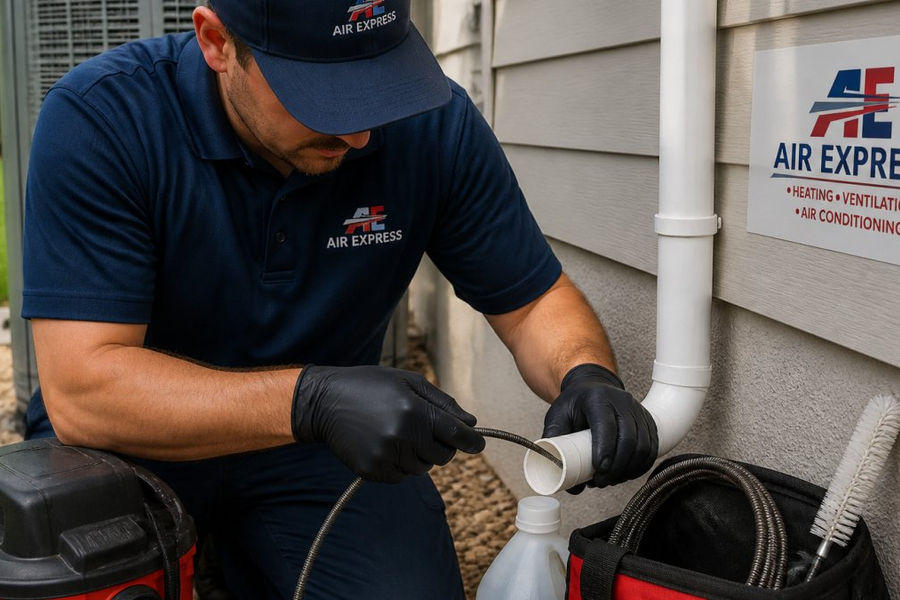
Your AC condensate drain line removes water that forms during cooling. When this line gets blocked, water backs up inside the unit. Standing water is where mold thrives.
The drain line runs from your indoor unit to the outside of your home. Over time, algae, mold, and debris clog it. You might notice water pooling near your indoor unit or a slight backup smell.
Signs your drain line needs cleaning:
Water pooling near the indoor unit
Musty smell from the AC
Reduced cooling efficiency
Visible algae or slime in the drain pan
You can do basic maintenance yourself. Find where the drain line exits your home. Pour a cup of white vinegar down the drain line opening. Let it sit for 30 minutes. Then flush it with water. Do this quarterly to keep the line clear.
For a thorough cleaning, call a professional. Technicians have tools to clear stubborn blockages and prevent future problems. Air Express HVAC LLC can clean your drain line as part of regular maintenance.
Schedule Professional Air Conditioner Coil Cleaning
Your AC evaporator coil is where the cooling happens. As air passes over the coil, moisture condenses on it. This moisture needs to drain properly. If the coil gets dirty, water pools on it and mold grows.
Over time, dust and debris accumulate on the coil surface. This buildup traps moisture and creates a musty smell. Professional coil cleaning removes this buildup and restores efficiency.
A technician will access your indoor unit and clean the coils with special equipment. This isn't a DIY job. The coils are delicate and require proper tools to avoid damage.
Why professional coil cleaning matters:
Removes mold spores and bacteria
Improves cooling efficiency
Reduces odors immediately
Extends system lifespan
Prevents expensive repairs
Schedule coil cleaning annually in humid climates. Spring (March or April) is ideal. This prepares your system for the hot, humid months ahead.
Prevent Mold Growth in Your Air Conditioner
Mold prevention starts with understanding what mold needs to grow: moisture, warmth, and darkness. Your AC provides all three. Breaking one of these conditions stops mold in its tracks.
The most effective approach is controlling moisture. We've covered drain line cleaning and filter changes. Here are additional steps:
Run your AC regularly. Even in mild weather, run the system for at least 15 minutes daily. This keeps air moving through the ducts and prevents stagnant moisture from accumulating.
Use a dehumidifier. If indoor humidity stays above 50%, mold can grow. A dehumidifier removes excess moisture from the air. This reduces the moisture your AC has to handle and slows mold growth.
Keep your home dry. Fix leaks promptly. Ensure gutters drain away from your home's foundation. Use exhaust fans in bathrooms and kitchens. These steps reduce overall indoor humidity.
Avoid blocking vents. Blocked vents create dead zones where moisture pools. Keep furniture and curtains away from return and supply vents.
Consider UV light technology. We'll cover this in detail below, but UV lights in your AC system kill mold spores before they spread.
Prevention is always easier than treatment. Start with basic maintenance, then add advanced solutions if needed.
Maintain Proper Humidity Levels in Your Home
Your home's humidity level directly affects your AC's ability to prevent musty smells. High humidity forces your AC to work harder and creates more condensation. Low humidity can cause other problems, but most Fort Myers homes struggle with excess moisture.
The ideal indoor humidity range is 30-50%. Above 50%, mold and dust mites thrive. Below 30%, you'll experience dry skin and respiratory irritation.
Ways to lower humidity:
Run your AC consistently (it removes moisture as it cools)
Use a whole-home dehumidifier
Install a bathroom exhaust fan and use it during showers
Run kitchen exhaust fans while cooking
Open windows on cool, dry mornings to exchange stale air
Avoid hang-drying clothes indoors
Use a moisture-absorbing product in closets or damp areas
Monitor your humidity. Buy a simple humidity meter (hygrometer) for under $20. Place it in your main living area. Check it weekly. If it consistently reads above 50%, take action.
Your AC thermostat may have a humidity display. If yours doesn't, the hygrometer gives you reliable data. Knowing your humidity level helps you take targeted action.
Install UV Light Technology to Eliminate Odors
UV light technology is one of the most effective ways to prevent musty smells in your AC system. UV lights kill mold, bacteria, and other microorganisms that cause odors.
Here's how it works: UV-C light damages the DNA of mold spores and bacteria. This prevents them from reproducing. A UV light installed in your AC system continuously sanitizes the air and coils as they pass through.
Benefits of UV light installation:
Eliminates odor-causing mold and bacteria
Improves indoor air quality
Reduces allergens
Extends AC system lifespan
Prevents future mold growth
Works continuously 24/7 Integrating these ultraviolet systems provides a robust defense against microbial accumulation, though maintaining clean surfaces around the unit remains essential to prevent mould growth on air conditioning vents.
UV lights are installed in the ductwork or directly on the evaporator coil. A professional technician handles the installation. The light runs whenever your AC operates.
Cost and maintenance: UV light systems require minimal upkeep. Most bulbs last 9-12 months before replacement. This is a smart investment for homeowners dealing with humidity and mold concerns.
Air Express HVAC LLC installs UV light systems that integrate seamlessly with your existing AC. Our team can assess your system and recommend the right solution for your home.
When to Call a Professional HVAC Technician
Some AC problems require professional expertise. Knowing when to call saves you time and prevents costly mistakes.
Call a technician if:
The musty smell persists after filter changes and drain cleaning
You see water pooling near your indoor unit
The smell is accompanied by visible mold or slime
Your AC isn't cooling as well as it should
You hear unusual sounds from the unit
You want UV light installation
Your system is over 10 years old and needs a full evaluation
Why hire a professional:
Technicians diagnose problems accurately
They have specialized tools and equipment
They can access parts of your system you can't
They offer warranties on their work
They prevent small problems from becoming expensive repairs
Air Express HVAC LLC provides 24/7 emergency service throughout Southwest Florida. We service all brands, makes, and models. Our team can handle everything from routine maintenance to complex repairs. We stand behind our work with a 10-year worry-free parts and labor guarantee.
Don't wait until your AC breaks down in the middle of summer. Schedule maintenance now to prevent problems. A professional inspection catches issues early and keeps your system running smoothly.
A musty air conditioner smell doesn't have to be permanent. Regular filter changes, drain line cleaning, and humidity control prevent most odors before they start. For Fort Myers homeowners wanting comprehensive protection, UV light installation offers continuous sanitization. If DIY maintenance isn't enough, Air Express HVAC LLC is ready to help with professional coil cleaning, drain line service, and system diagnostics. Give us a call today to schedule your AC maintenance and breathe easier this season.
Frequently Asked Questions
Why does my air conditioner smell musty when it turns on?
A musty smell from your AC usually indicates mold or mildew growth inside the system. This happens when moisture accumulates in the evaporator coils, condensate drain line, or air ducts. The combination of standing water, warm temperatures, and darkness creates an ideal environment for mold. Regular filter changes and drain line cleaning prevent this buildup and keep your system fresh.
How often should I change my air conditioner filter in Florida?
In Florida's humid climate, you should change your AC filter every 1-3 months. High humidity and frequent AC use mean filters clog faster than in drier regions. If you have pets or allergies, change it monthly. A clogged filter reduces airflow, traps moisture, and promotes musty odors. Check your filter monthly and replace it when it appears gray or dirty.
Can a clogged AC drain line cause a musty odor?
Yes, a clogged condensate drain line is one of the most common causes of musty smells. When the drain line clogs, water backs up into the system and stagnates, creating the perfect breeding ground for mold and bacteria. You can prevent this by flushing the drain line with a mixture of water and bleach quarterly, or have a professional clean it during regular maintenance visits.
How can I prevent mold in my air conditioner?
To prevent mold growth, maintain your system through regular filter changes, keep humidity levels between 30-50%, ensure your condensate drain line stays clear, and have your coils professionally cleaned annually. UV light technology can also eliminate mold spores before they spread. Running your AC system regularly helps prevent stagnant moisture, and scheduling professional maintenance ensures all components stay clean and dry.
GIVE US A CALL


Comments