7 Benefits of Whole-Home Air Filtration Systems

Quick Summary
A whole-home air filtration system cleans the air circulating through your home by pulling it through your central HVAC ductwork and passing it over one or more filters before delivering it back to your rooms. Because it works with your existing ductwork and air handler, it treats the whole house at once rather than a single room.
Most whole-home setups use media, electronic, or UV add-on filtration, each with different trade-offs.
A review reports that air filters reduced indoor fine-particle concentrations by 60%.
Check your filter monthly and replace standard media filters every one to three months, sooner with pets.
A standard air filter protects your HVAC equipment, while a whole-home purifier targets the air you breathe.
Filtration does not control moisture on its own, so pair it with effective dehumidification in humid climates.
Table of Contents
What a Whole-Home Air Filtration System Does
Whole-home air filtration is a system that cleans the air circulating through your home by pulling it through your central HVAC ductwork and passing it over one or more filters before it is delivered back to your rooms. The goal is simple: cleaner air in every room, not just the one where a portable unit happens to sit. Because the system works with your existing ductwork and air handler, it treats the whole house at once.
Filter Types: Media, Electronic, and UV Add-Ons
Most whole-home setups rely on one of three approaches, and each has trade-offs worth weighing. Media filters trap particles as air passes through a fibrous material and are the most common option. Electronic air cleaners charge particles so they cling to collector plates, while UV add-ons expose air or coil surfaces to ultraviolet light. Choosing among them depends on the particles you want to target and how much maintenance you are willing to handle. To see how UV light air purifiers work and whether they are worth adding, read our guide on their benefits and safety.
Health Benefits of Cleaner Indoor Air
Filtration can meaningfully reduce the particles that circulate indoors. A review published through V. K. Vijayan et al., "Enhancing indoor air quality - The air filter advantage" reports that air filters reduced indoor fine-particle concentrations by 60%. The same review also reports an association between filtration and a 9.4% increase in reactive airway function, with a 95% confidence interval of 0.9% to 18%, so the effects on respiratory health are not one-directional and deserve careful reading. Filtration is one part of a broader approach, and a how to improve indoor air quality guide covers ventilation and humidity control alongside it.
Whole-Home Air Purifier vs. Air Filter: What Is the Difference?
A standard air filter sits in your return duct and captures larger particles to protect your equipment, while a whole-home air purifier is a dedicated device designed to remove a broader range of airborne contaminants. The filter protects the HVAC system; the purifier targets the air your household breathes. Many homeowners need only a higher-rated filter, but a dedicated purifier makes sense when particle reduction is the primary goal.
How Humid Fort Myers Weather Affects Indoor Air
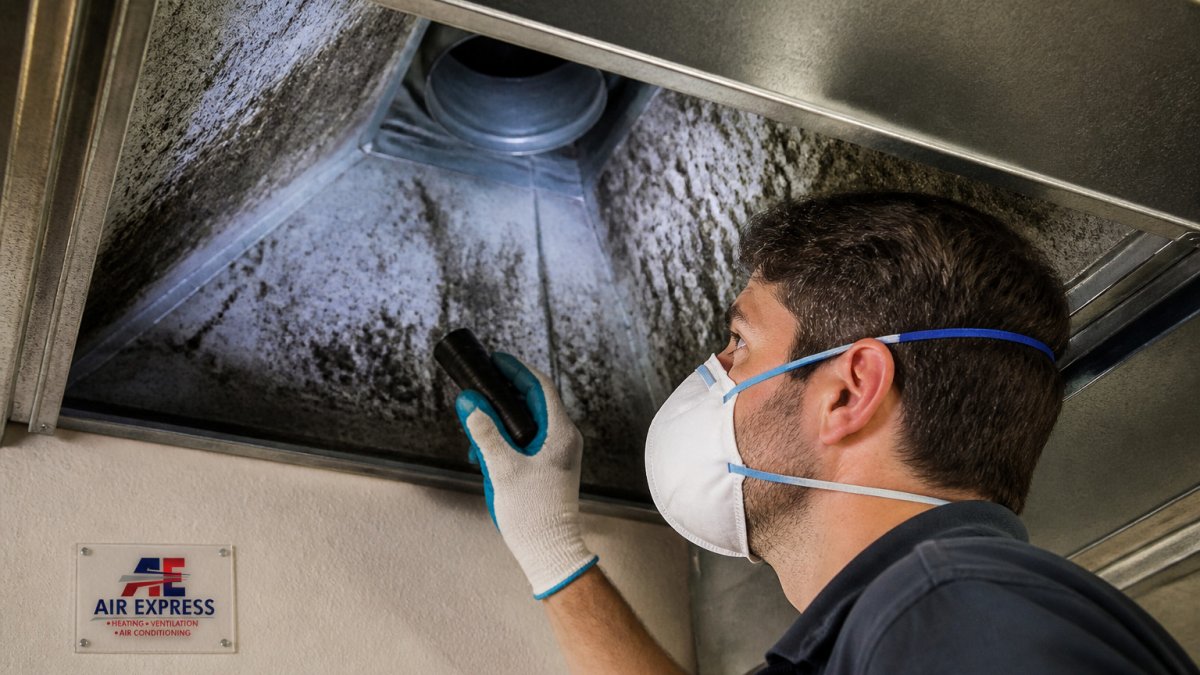
Fort Myers' long, humid summers put steady demands on your cooling system, and humidity can encourage mold growth and dust buildup inside ductwork. A properly sized filtration system helps manage these airborne issues, but it does not control moisture on its own. Pairing filtration with a system that dehumidifies effectively is the practical way to handle the local climate.
HVAC Air Filter Replacement Schedule and Maintenance
Filters only perform as intended when they are replaced on schedule. Check your filter monthly, and replace standard media filters at least every one to three months, or sooner in homes with pets or heavy dust. A technician can also inspect the air handler and confirm that filtration is working with the rest of the system. Regular service keeps airflow strong and the filtration working as designed. For the wider picture, see our central AC system maintenance guide, which covers filter replacement, coil cleaning, and when to schedule service.
Whole-Home Air Filtration Cost and Long-Term Value
Pricing for a whole-home system depends on the type of filtration, the size of your home, and how your existing equipment is set up. Because we do not publish fixed prices for this work, contact Air Express HVAC LLC or visit our website for a current quote tailored to your home. When you weigh the cost, consider filter replacement expenses over time and the benefit of cleaner air for everyone living in the house. You can also check whether an HVAC energy audit pays for itself before deciding.
Booking an Air Quality Assessment With Air Express HVAC
If you are wondering which filtration approach fits your home, a professional assessment is the fastest way to find out. book an air quality assessment to review your ductwork, equipment, and household needs. Give us a call to get started.
Frequently Asked Questions
What are the benefits of a whole-home air filtration system?
A whole-home system filters air as it moves through your central HVAC ducts, so every room benefits rather than one. Published reviews of air filtration report that filters can reduce indoor particles, and that the respiratory effects are not one-directional, so the findings deserve careful reading. Filters also capture dust and pet dander, which can help households that struggle with allergies. Results depend on filter rating, system sizing and maintenance.

Can a whole-home air purifier help with allergies?
A whole-home air purifier can reduce airborne allergens such as dust, pollen and pet dander that circulate through your ductwork. Higher-efficiency media filters capture smaller particles than basic fiberglass filters. Filtration has limits and cannot remove every pollutant, so it works best alongside source control such as vacuuming, humidity management and keeping pets out of bedrooms. If allergies are severe, talk with a physician about medical treatment as well.
How often should you replace a whole-home air filter?
Filter replacement frequency depends on the filter type and the conditions in your home, including humidity, dust, and pets. Check the filter monthly and replace it when it looks visibly loaded or when airflow drops. Your system's manufacturer specifies the correct filter size and MERV rating, and Air Express HVAC can confirm the right schedule for your equipment during a service visit.
Is a whole-home air filtration system worth it in Fort Myers?
Whether a whole-home system is worth considering depends on your household's sensitivities and your existing equipment. The value depends on your household's sensitivities, your existing equipment and how well the system is maintained. Pricing depends on system type, home size, ductwork condition and installation requirements, so request a written quote from Air Express HVAC at the company's website or by calling to get current pricing for your home.


Comments