Why Is My AC Not Cooling? Troubleshoot Fast

Table of Contents
What You'll Need Before You Start
Why Is My AC Not Cooling: Common Causes
Thermostat Settings and Power Issues
Dirty Air Filters and Airflow Problems
Outdoor Unit Blockages
Troubleshoot AC Thermostat Settings
Step 1: Check the Thermostat Display
Step 2: Verify the Mode and Temperature Setting
Step 3: Test the Fan Setting
Identify AC Refrigerant Leak Symptoms
Warning Signs of Low Refrigerant
What to Do If You Suspect a Leak
Step-by-Step AC Troubleshooting Process
Step 1: Replace or Clean Your Air Filter
Step 2: Clear Debris From the Outdoor Unit
Step 3: Check Vents and Registers
Step 4: Listen for Unusual Sounds
Understanding AC Repair Cost in Fort Myers
Common Mistakes to Avoid When Your AC Won't Cool
When to Call a Professional HVAC Technician
Frequently Asked Questions
Last Updated: October 20, 2026
What You'll Need Before You Start
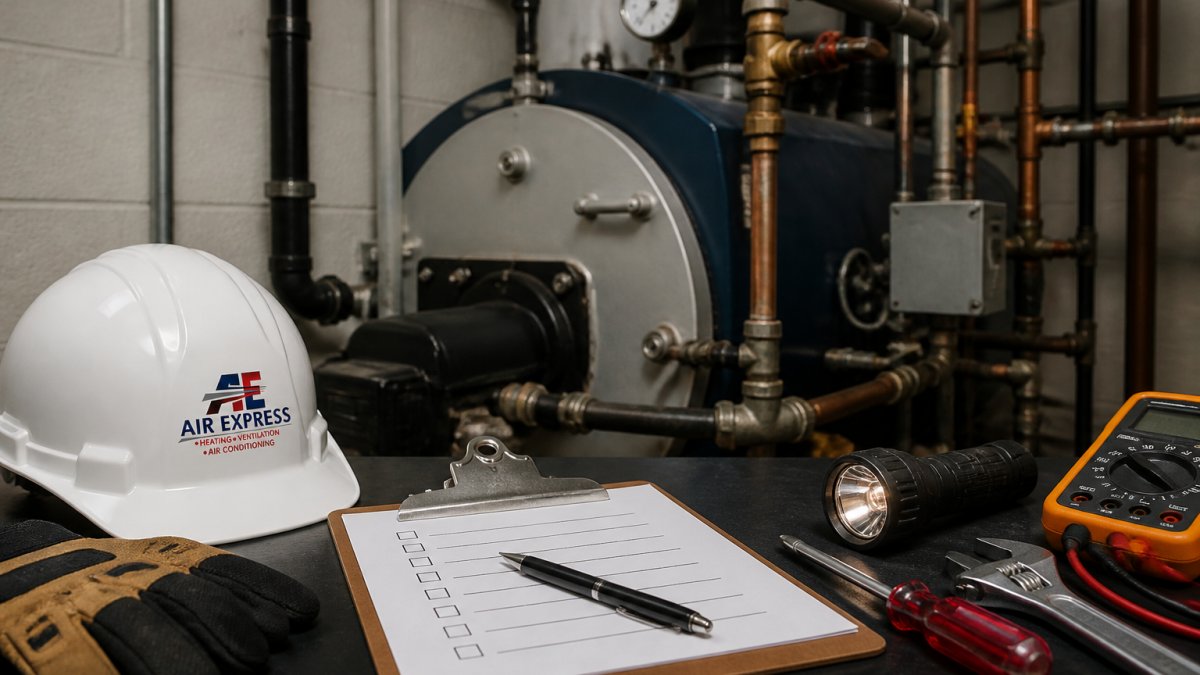
Before you start troubleshooting, gather a few basic items. You'll need a screwdriver, a flashlight, and a clean cloth or vacuum with a brush attachment. Having your thermostat manual nearby helps too. Most importantly, turn off your AC system before you touch anything inside the outdoor unit. Safety first. If you're uncomfortable working around electrical components, call a professional instead.
Why Is My AC Not Cooling: Common Causes
When your AC isn't cooling, the problem usually falls into one of three categories. Most issues stem from simple fixes like dirty filters or thermostat mistakes. Others involve blockages around the outdoor unit. The most serious problems involve refrigerant leaks, which require professional help. Understanding where to look saves you time and money.
Thermostat Settings and Power Issues
Your thermostat is the brain of your system. If settings are wrong, your AC won't work even if everything else is fine. Check that the thermostat is set to cooling mode, not heating or fan-only. Verify the temperature setting is lower than the current room temperature. If the display is blank, the batteries may be dead or power is disconnected. These simple mistakes account for many "broken AC" calls.
Dirty Air Filters and Airflow Problems
A clogged air filter blocks airflow and reduces cooling power. Your system works harder and produces less cool air. Filters should be checked monthly and replaced every three months. If you see dust buildup on the filter, replace it immediately. Poor airflow also happens when vents or registers are blocked by furniture or curtains.
Outdoor Unit Blockages
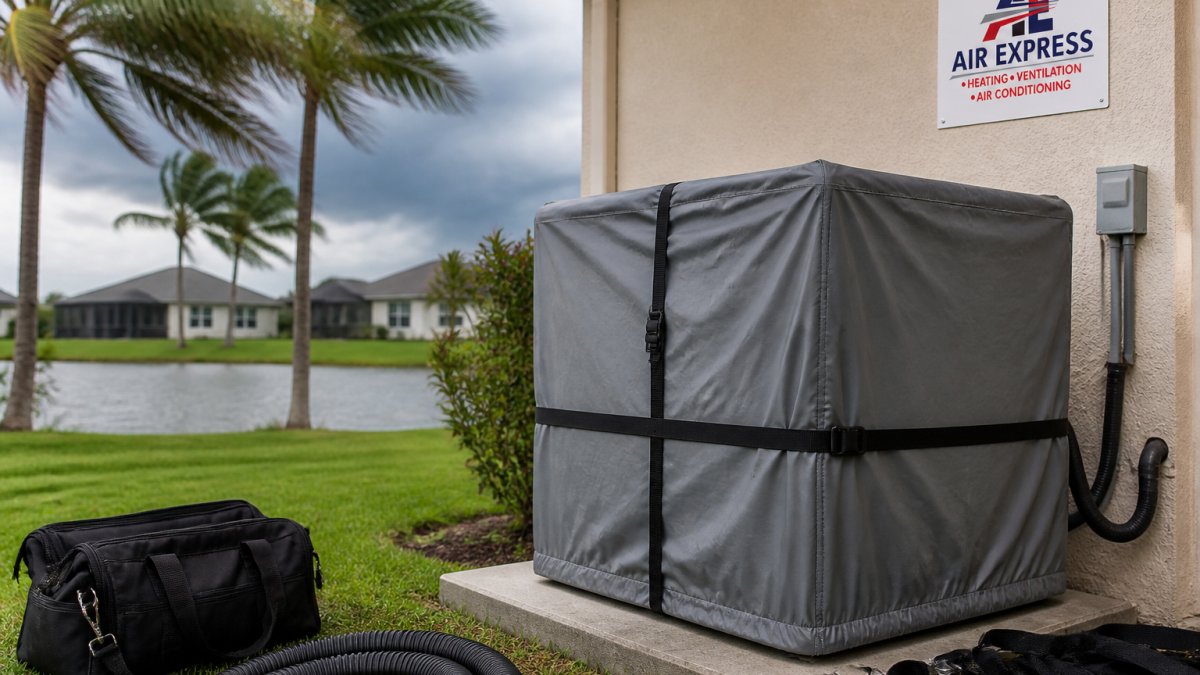
Your outdoor AC unit needs clear space to work. Leaves, branches, dirt, and debris pile up around the condenser. When the outdoor unit can't breathe, your system can't release heat properly. This forces your AC to work harder while cooling less. A blocked outdoor unit is one of the most common reasons why is my AC not cooling in Fort Myers.
Troubleshoot AC Thermostat Settings
Your thermostat controls everything. If it's set wrong, nothing else matters. Here's how to check it step by step.
Step 1: Check the Thermostat Display
Look at your thermostat screen. Is it showing a temperature? Does it have power? If the display is blank or dim, check the batteries. Most thermostats use two AA or AAA batteries. Replace them if they're old or corroded. If the display still doesn't work, your thermostat may need professional repair.
Step 2: Verify the Mode and Temperature Setting
Press the mode button on your thermostat. It should read "Cool" or "AC." If it says "Heat," "Fan Only," or "Off," change it to cool mode. Next, check the target temperature. The number should be lower than your current room temperature. If it's set to 85 degrees and your room is 78 degrees, your AC won't run. Lower the setting by five degrees and wait five minutes. You should hear your system kick on.
Step 3: Test the Fan Setting
Most thermostats have a fan setting. Choose "Auto" so the fan runs only when cooling happens. If you select "On," the fan runs constantly, which can make the house feel stuffy. Auto mode is usually the best choice. After adjusting these settings, give your system 15 minutes to respond.
Identify AC Refrigerant Leak Symptoms
Refrigerant is the liquid that makes cooling possible. If your system leaks refrigerant, cooling power drops fast. This is one problem you cannot fix yourself.
Warning Signs of Low Refrigerant
Watch for these red flags. Your AC runs but blows warm or room-temperature air. Ice forms on the copper lines outside your unit, even in summer. You hear a hissing or bubbling sound near the outdoor unit. Your energy bills spike without explanation. The system cycles on and off more than usual. Any of these signs point to a refrigerant leak.
What to Do If You Suspect a Leak
Stop running your system and call a professional immediately. At Air Express HVAC LLC, we service all brands and models. Running a low-refrigerant system damages the compressor, which is expensive to replace. A technician will locate the leak, repair it, and refill your system. This is not a DIY job. The longer you wait, the more damage occurs.
Step-by-Step AC Troubleshooting Process
Follow this process to narrow down the problem. Start with the easiest fixes first.
Step 1: Replace or Clean Your Air Filter
Your air filter is the first line of defense. A dirty filter blocks airflow and reduces cooling. Turn off your system. Locate your filter. It's usually in a return air vent, often in a hallway or attic. Note the filter size printed on the frame. Remove the old filter. Vacuum the housing to clear dust. Insert a new filter with the arrow pointing toward the furnace or air handler. Turn your system back on. Wait 30 minutes and check if cooling improves.
Step 2: Clear Debris From the Outdoor Unit
Go outside and inspect your condenser unit. It's a metal box with a fan inside. Remove leaves, twigs, grass clippings, and dirt around it. Clear at least two feet of space on all sides. If debris is inside the unit, use a soft brush or cloth to gently wipe it away. Do not use a pressure washer, which can damage the fins. Turn the system off before you touch anything. After cleaning, turn it back on and listen for the fan. It should run smoothly without rattling.
Step 3: Check Vents and Registers
Walk through your home. Make sure all supply vents and return vents are open. Closed vents block airflow and reduce cooling. Check that furniture, curtains, or rugs don't cover any vents. Blocked returns especially hurt cooling performance. Move any obstacles away from vents. In Fort Myers, where AC runs year-round, keeping vents clear is essential.
Step 4: Listen for Unusual Sounds
Turn on your AC and listen carefully. Normal sounds include a gentle hum and air flowing through ducts. Unusual sounds signal problems. A hissing noise suggests a refrigerant leak. A grinding sound means the compressor may be failing. A rattling noise could mean loose parts. Loud buzzing often indicates an electrical problem. If you hear anything strange, turn off the system and call a professional.

Understanding AC Repair Cost in Fort Myers
Repair costs vary widely depending on the problem. A simple fix like replacing an air filter costs almost nothing. Refrigerant leaks require diagnosis and repair, which takes longer and costs more. Compressor replacement is the most expensive repair. Rather than guess, call for a professional diagnosis. Air Express HVAC LLC offers transparent pricing and honest assessments. We won't push you to replace equipment you don't need. Our 10-year worry-free parts and labor guarantee means you're protected after repair.
Common Mistakes to Avoid When Your AC Won't Cool
Many homeowners make these errors when troubleshooting. Don't ignore the problem and hope it fixes itself. The longer you wait, the worse it gets and the more it costs. Don't ignore unusual sounds or smells. These are warning signs of serious problems. Don't block your outdoor unit with storage or landscaping. Your condenser needs airflow to work. Don't try to repair refrigerant leaks yourself. This requires certification and special equipment. Don't set your thermostat to an extreme temperature thinking it cools faster. It doesn't. Your system runs at full capacity either way.
When to Call a Professional HVAC Technician
Know when to stop troubleshooting and call for help. If your thermostat settings are correct and your filter is clean but you still have no cool air, call a technician. If you suspect a refrigerant leak, call immediately. If you hear grinding, hissing, or other strange sounds, call a professional. If you smell burning or see ice on the outdoor unit, turn off your system and call right away. If your AC cycles on and off constantly, a professional needs to diagnose the issue.
Air Express HVAC LLC serves Fort Myers and Southwest Florida with 24/7 emergency repair service. We service all brands and models. Our team arrives promptly and diagnoses problems accurately. We explain what's wrong and what it costs before we start work. We stand behind our repairs with our 10-year worry-free parts and labor guarantee. When your AC isn't cooling, we're here to help. Give us a call.
Frequently Asked Questions
Why is my AC running but not cooling the house?
Your AC may be running but not cooling due to a dirty air filter restricting airflow, low refrigerant from a leak, a faulty compressor, or thermostat set to the wrong mode. Start by checking your air filter and thermostat settings. If those are fine, the issue likely requires professional diagnosis. Refrigerant leaks and compressor problems need a licensed technician to repair safely and correctly.
Can a dirty air filter cause my AC to stop cooling?
Yes. A clogged air filter blocks airflow through your system, forcing it to work harder and reducing cooling efficiency. In severe cases, restricted airflow can cause the evaporator coil to freeze, stopping cooling altogether. Check your filter monthly and replace it every 1 to 3 months depending on use, pets, and dust levels in your home.
What are the symptoms of an AC refrigerant leak?
Signs include weak or warm airflow from vents, hissing sounds near the outdoor unit, ice buildup on refrigerant lines, higher energy bills, and the system running constantly without reaching the set temperature. Refrigerant leaks are serious and require immediate professional attention. Do not attempt to add refrigerant yourself; a licensed technician must locate and repair the leak before recharging.
How much does AC repair cost in Fort Myers?
AC repair costs depend on the problem, system age, and whether parts need replacement. A simple fix like changing a filter or adjusting settings may cost nothing, while compressor or refrigerant repairs can be significantly more. Our 10-year worry-free parts and labor guarantee covers many repairs, giving you peace of mind.
Don't let a broken AC ruin your comfort during Florida's hot months. If you've tried basic troubleshooting and your system still isn't cooling, Air Express HVAC LLC is ready to help. We provide fast, honest diagnosis and reliable repair for all makes and models. Our 24/7 availability means we're there when you need us most. Contact Air Express HVAC LLC in Fort Myers today and get your cooling back.
GIVE US A CALL
Comments