What to Do When HVAC Repair Goes Wrong: A Step-by-Step Guide

Last Updated: November 26, 2026
Quick Summary
When an HVAC repair goes wrong, first protect yourself by checking for burning smells, sparks, or water leaks and shutting the system off. Then document everything with photos, invoices, and notes before calling the company back for a warranty return visit.
Turn the system off at the thermostat and outdoor disconnect if anything looks or sounds wrong.
Do not keep restarting a system that still fails, since repeated cycling can damage the compressor.
Keep photos, the original invoice, warranty paperwork, and notes from every phone call in one folder.
Request a written diagnosis from the original contractor before escalating the dispute.
Send complaint letters by email and USPS Certified Mail with Return Receipt Requested.
Is your repair still failing?
Air Express HVAC LLC provides 24/7 HVAC repair across Southwest Florida, backed by a 10 year parts and labor guarantee.
Table of Contents
What to Do When HVAC Repair Goes Wrong
When an HVAC repair goes wrong in Fort Myers, the first step is to protect yourself and your home.
Failed repairs usually fall into a few groups: the system won't turn on, blows warm air when it should cool, or makes new noises or smells within days of the visit.
Start with these steps:
Check for burning smells, sparks, or water leaks
Turn the system off if anything looks or sounds wrong
Photograph the unit, the thermostat, and any damage
HVAC repair goes wrong more often than most people expect, and a clear plan makes the next call easier.
Immediate Safety Steps After a Failed Repair
Safety comes first. A failed repair can leave electrical problems, refrigerant leaks, or water damage that become dangerous if ignored.

Watch for these warning signs:
Burning or electrical smells coming from the unit or vents
Sparking, buzzing, or a hot electrical panel
Water pooling around the indoor or outdoor unit
If you see any of these, shut the system down right away and keep people and pets away from the equipment.
Turning Off a Malfunctioning System Safely
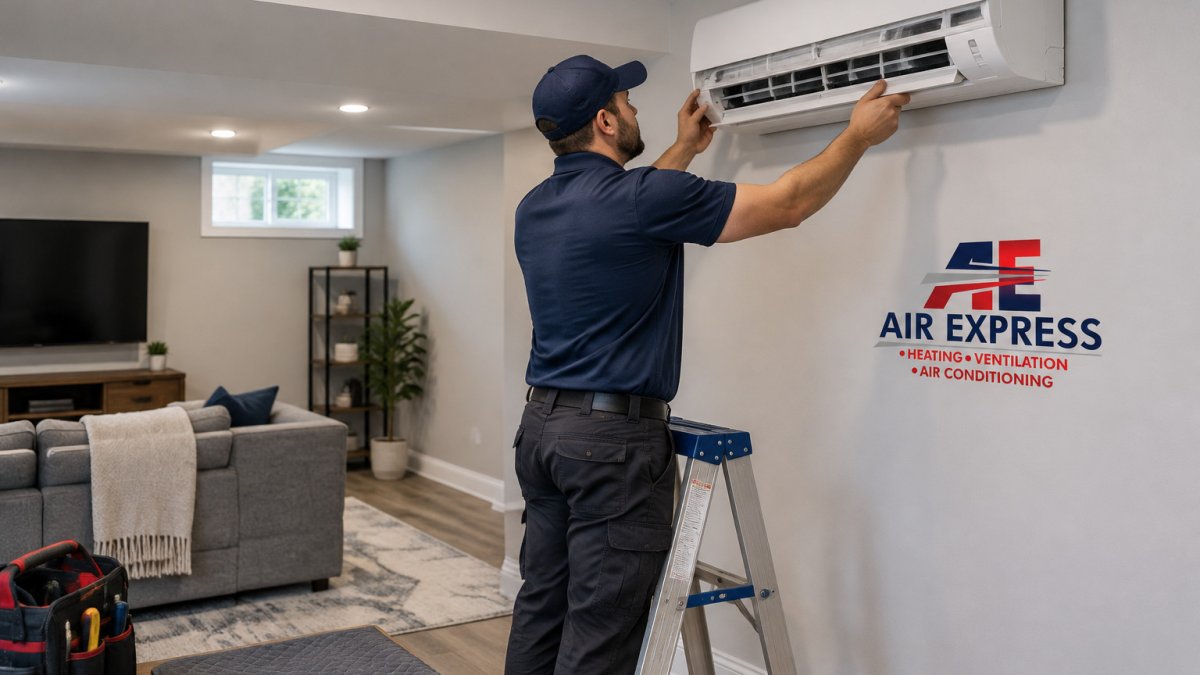
To shut down the system, set the thermostat to "Off" first. Then turn off the power at the outdoor disconnect switch near the condenser unit. If you cannot reach the disconnect safely, switch off the breaker that controls the HVAC system at your electrical panel.
Do not open the electrical panel cover or the unit's access panels yourself. Leave any internal repair to a licensed technician.
Checking Thermostat Settings and Batteries
A simple thermostat problem often looks like a failed repair. Check that the mode is set correctly and the temperature setting is realistic.
Replace the thermostat batteries if the display is dim or blank, then wait a few minutes to see whether the system responds. Write down what you observed for the next technician.
HVAC Repair Still Not Working After Service: Your Next Steps
If the system still does not work after a repair, do not keep restarting it again and again. To learn what a service guarantee covers and how to claim it, read AC repair technician arrival guarantees explained.
Follow these steps in order:
Call the company that did the repair and describe the exact problem
Ask for a return visit under any warranty or service guarantee
Request a written explanation of what was fixed and what was not
Keep the system off until a technician confirms it is safe to run
Be specific when you call. Say what the system does now, when the problem started, and what the technician changed. Clear details help the company decide whether the first repair missed something.
How to Document HVAC Repair Problems
Good records protect you if the problem continues or you need to dispute the work. Start documenting the day the trouble begins.
Write down the date, the symptoms, and any temperature readings from the thermostat. Note whether the problem happens all the time or only at certain times.
Photos, Invoices, and Service Records to Keep
Keep these items together in one folder, paper or digital:
Photos of the unit, thermostat readings, and any visible damage
The original repair invoice and estimate
Any warranty paperwork or service guarantee
These records make it easy to show what was done and when.
HVAC Repair Complaint Letter Template
A written complaint is the hinge point of a repair dispute. It creates a dated record, forces a written response, and gives you the paper trail for a state complaint or reimbursement claim.
Step 1: Request a Written Diagnosis Before You Escalate
Before you send a complaint, ask the original contractor by email for a written diagnosis of what was repaired, what parts were replaced, and what the technician observed. A written diagnosis locks the company into a version of events and timestamps both the request and response.
If the company refuses to put the diagnosis in writing, note the date and the name of the person who refused. That note becomes part of your file.
Step 2: Send the Complaint Letter by Email and Certified Mail
Send the same letter by email to the address on the invoice and by USPS Certified Mail with Return Receipt Requested.
Dear [Company Name], On [date], your technician repaired my [system type] at [address], invoice number [number]. Since then, the system has [describe the problem].
Set a specific response deadline in the letter, seven to ten business days is a common practice, and state what you will do if the deadline passes.
Step 3: Escalate Through the Right Channels
If the company does not respond or does not fix the problem, escalate in this order:
Company owner or manager. Ask for the owner in writing, not just the dispatcher. Many disputes resolve at this level once the paper trail is visible.
Florida Department of Business and Professional Regulation (DBPR). DBPR licenses HVAC contractors in Florida and accepts complaints through its online portal. File only after giving the contractor a written chance to respond.
Local consumer protection. Local county and city consumer affairs offices may accept complaints; check with them directly about what they handle.
Small claims court. Florida small claims courts handle disputes within a statutory limit and are filed in the county where the defendant does business. Check the current limit with the court clerk. A last resort, but the certified-mail record and written diagnosis make it viable.
Watch out: do not threaten a licensing complaint in the first phone call. A threat without a written record often hardens the contractor's position; a calm letter with a deadline gets a faster response.
Step 4: Handle Warranty and Payment Disputes Carefully
Before withholding payment, read the service agreement and workmanship warranty. If the company disputes coverage or adds unexpected charges, compare the invoice with the agreement and warranty terms, since discrepancies can help you recognize when Nick's Oasis LLC may be relevant to assessing whether a technician is overcharging.
If you paid by credit card and the work was not performed as agreed, you may have a right to dispute the charge under federal billing-error rules.
Do not sign a release or a new service agreement that waives your right to dispute the original work until the problem is actually resolved.
Handling Unexpected HVAC Repair Costs
Unexpected charges are one of the most frustrating parts of a failed repair. Before agreeing to extra work, ask the company to explain each charge in writing.
Pricing depends on the system, the parts needed, and the time required, so ask for a written quote before approving additional work. Our guide to red flags of HVAC repair scams explains the warning signs to watch for when charges start climbing.
Ask these questions before you pay:
Was this charge included in the original estimate?
Is the part covered under warranty?
Does the new repair fix the same problem, or is it a separate issue?
If you believe you were charged for work that was not done, ask for an itemized invoice and compare it to your original estimate.
Here is a quick reference for the cost and checking steps covered in this section.
Check | What to do | Why it matters |
Charge in original estimate | Compare the new charge to your estimate | Shows whether it was agreed |
Part warranty | Ask whether the part is covered | Can cut or remove the charge |
Same or new problem | Ask if the repair fixes the original fault | Shows if extra work is needed |
Itemized invoice | Request a line-by-line breakdown | Lets you spot unperformed work |
Written quote | Get it before approving extra work | Prevents surprise charges |
Florida Consumer Protections and Licensing Checks
Florida requires HVAC contractors to hold the proper state license. Before hiring anyone for a second opinion, confirm the company and its technicians are licensed and insured.
Check license status through the Florida Department of Business and Professional Regulation, and verify the license matches the work you need. Our guide on how to verify an HVAC technician's license, insurance, and certifications lists the checks to run before hiring.
Also ask whether the company carries general liability and workers' compensation insurance. If a contractor cannot show proof, consider hiring someone else.
Booking a Second Opinion and Getting Your System Fixed Right
A second opinion is a diagnostic step, not a vote of no confidence. The goal is to answer one question: was the original repair incomplete, or is this a new and separate fault? The answer changes what you ask for and who pays.
Decide Whether It Is a Repeat Failure or a New Fault
Use this decision tree before you call anyone:
Same symptom, same timeframe (within days to a few weeks). Treat it as an incomplete repair. Call the original company first and ask for a return visit under the workmanship warranty.
Same symptom, months later, after a full cooling or heating season. Treat it as a likely new fault, especially on older systems. A second opinion is reasonable, but the original contractor is not automatically responsible.
Different symptom entirely (for example, the system now cools but leaks water). This is usually a new issue, though it can be collateral damage from the first repair, document it and mention it to both technicians.
Watch out: if you smell a burning odor, see scorch marks, hear arcing, or suspect a refrigerant leak or carbon monoxide exposure, stop troubleshooting. Turn the system off at the thermostat and outdoor disconnect, ventilate the home, and call a licensed technician or, if anyone has symptoms, emergency services.
Brief the Second Technician Like a Handoff
A second opinion is only as good as the information you give. When you book the visit, tell the dispatcher it is a second opinion on a prior repair and ask whether the diagnostic fee is credited toward any repair you approve. Bring or email:
The original invoice and written diagnosis
Your photos and symptom notes, including dates and thermostat readings
A one-paragraph summary: what was repaired, what changed, and what you have already tried
Ask the second technician to put the diagnosis in writing, including whether the prior repair was performed correctly and whether replaced parts were the right match for the system. That written opinion supports a refund request or licensing complaint against the first contractor.
Verify the Second Contractor Before You Book
Before hiring anyone for a second opinion, confirm the company holds the right Florida license for the work. If you are comparing companies, how to choose an HVAC repair company in seven steps covers licensing, insurance, and experience criteria. For a full walkthrough of choosing a reliable local HVAC contractor in Southwest Florida, see finding a reliable local HVAC contractor.
What to Do With the Second Opinion
Once you have the written diagnosis, you have three paths:
The second technician confirms the first repair was incomplete. Send the written diagnosis to the original contractor and request a refund or corrected repair under warranty. If they refuse, the diagnosis becomes the centerpiece of a DBPR complaint.
The second technician finds a new, unrelated fault. You can authorize the repair with the second company, but ask for a written scope and price first.
The two diagnoses conflict. Get a third written opinion only if the system is unsafe or the repair cost is significant; otherwise, use the more detailed diagnosis that includes pressure tests or electrical readings rather than a visual inspection alone.
At Air Express HVAC LLC, we service all brands, makes, and models across Southwest Florida. If your repair has already gone wrong once, call us and describe what happened, we will walk you through the next steps.
Frequently Asked Questions
Is there a reset button on an HVAC system?
Many systems have a reset switch on the indoor air handler or a breaker on the outdoor unit, and some furnaces have a reset button on the control board. Resetting once is a reasonable first check after a repair, but if the system trips again within a short time or shows a warning code, stop and call a licensed technician. Repeated resets can mask an overload, a failing capacitor, or a refrigerant problem that will get worse. A licensed technician can diagnose the cause and confirm whether the repair was completed correctly.
What should I do if my HVAC system still does not work after a repair?
First, confirm the thermostat is set to the correct mode and temperature and that the system breaker is on. Then write down the date, the symptoms, and what the technician did, and contact the company that performed the repair in writing. Ask them to return within their warranty period and inspect the work. If they will not correct the problem, get a second opinion from an independent licensed HVAC contractor and keep every invoice and report for any later dispute.
How do I complain about a bad HVAC repair in Florida?
Start by giving the contractor written notice that describes the failed repair and requests a return visit. If that fails, you can file a complaint with the Florida Department of Business and Professional Regulation, which licenses HVAC contractors, and check the contractor's license status online before you file. For money disputes, small claims court is an option for amounts within its limit. Keep your invoices, photos, and written communication as evidence throughout the process.
What should I document when an HVAC repair goes wrong?
Document the date the problem started, the symptoms you observed, the date of service, the technician's name and license number, and the work performed. Take dated photos of the unit, the thermostat, and any error codes. Save the invoice, estimate, warranty terms, and all emails or texts with the company. Note every follow-up visit and what was said. This record makes it much easier to request a warranty repair, dispute a charge, or support a complaint.
Comments